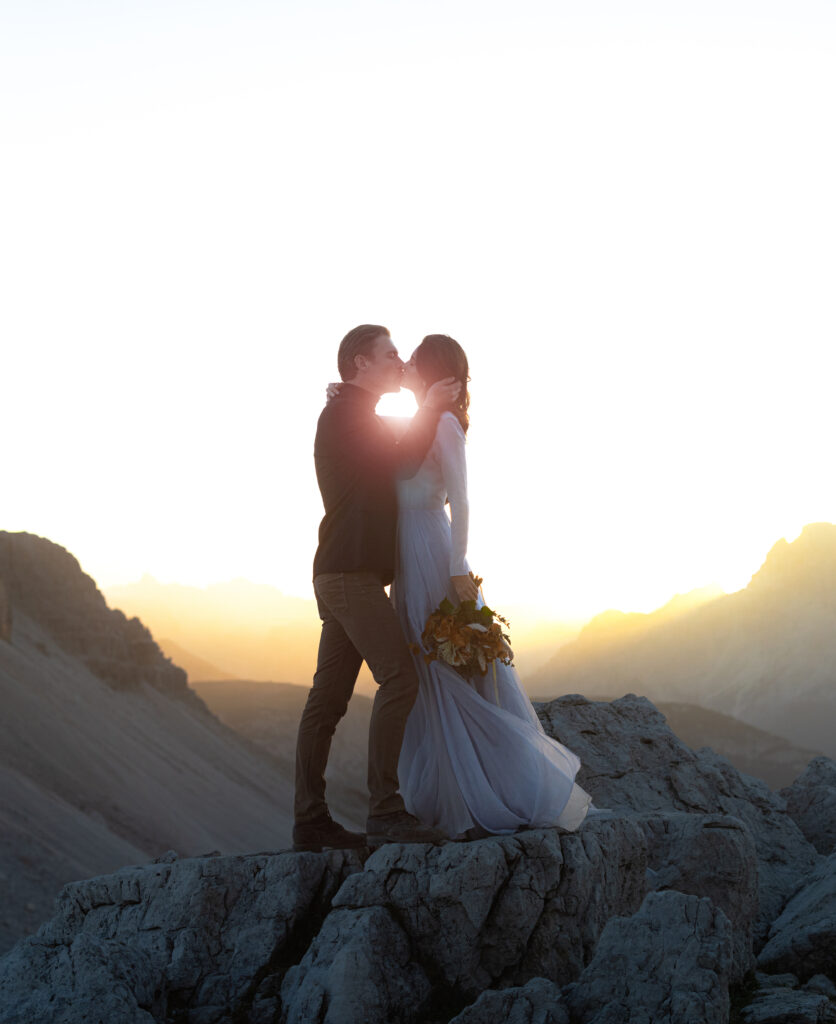
Destination Wedding Planning: How to Prepare for Your Big Day

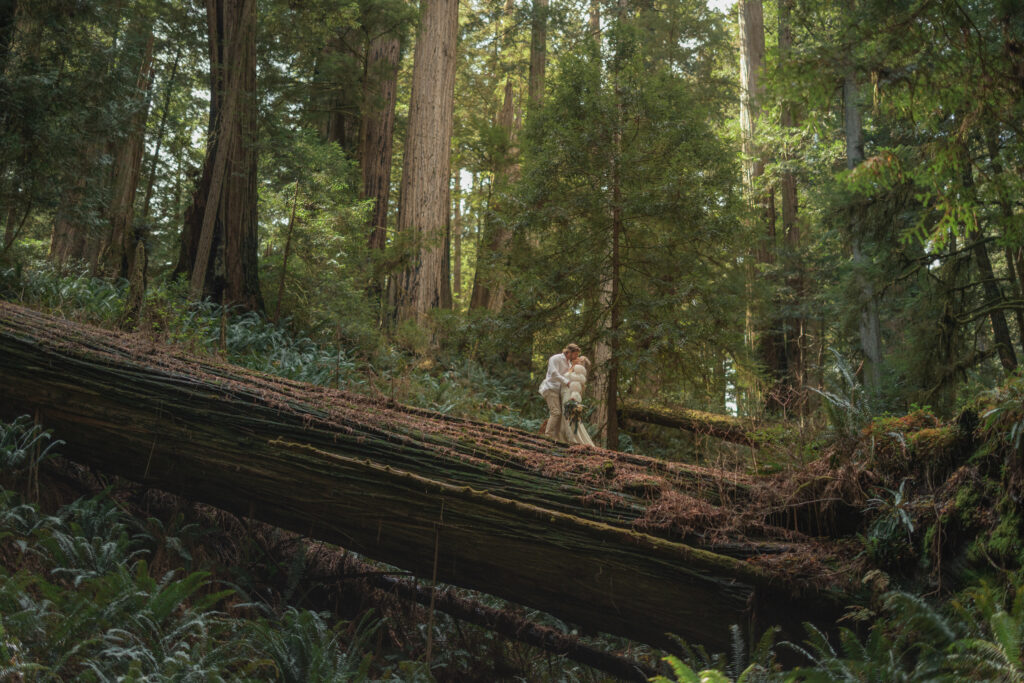
How to Prepare for a Destination Wedding: A Comprehensive Guide
Planning a destination wedding can be overwhelming, but with the right destination wedding planning tips, it becomes a magical and stress-free experience. Planning a destination wedding is an exciting way to celebrate your love in a breathtaking location. While the idea of saying “I do” in a dream destination is magical, the logistics can feel overwhelming. To help you stay organized and stress-free, here are essential tips to prepare for your big day away from home.
1. Choose the Perfect Destination
When it comes to destination wedding planning, choosing the right location is key. The location sets the tone for your wedding, so choose a place that reflects your style and vision. Whether it’s a tropical beach, a rustic vineyard, or a charming European town, consider:
- Accessibility: Ensure the destination is easy for you and your guests to travel to.
- Weather: Research the best time of year to visit to avoid rainy or off-season conditions.
- Budget: Factor in travel costs, accommodations, and potential venue fees.
- Legal Requirements: Check the marriage license requirements for the destination to avoid last-minute surprises.
2. Destination Wedding Planning: Hire a Local Wedding Planner
A local wedding planner is invaluable for destination weddings. They know the area, have connections with local vendors, and can handle logistics while you focus on enjoying the experience. When hiring a planner:
- Look for reviews and testimonials.
- Ensure they have experience with destination weddings.
- Communicate your vision clearly and provide examples of what you want.
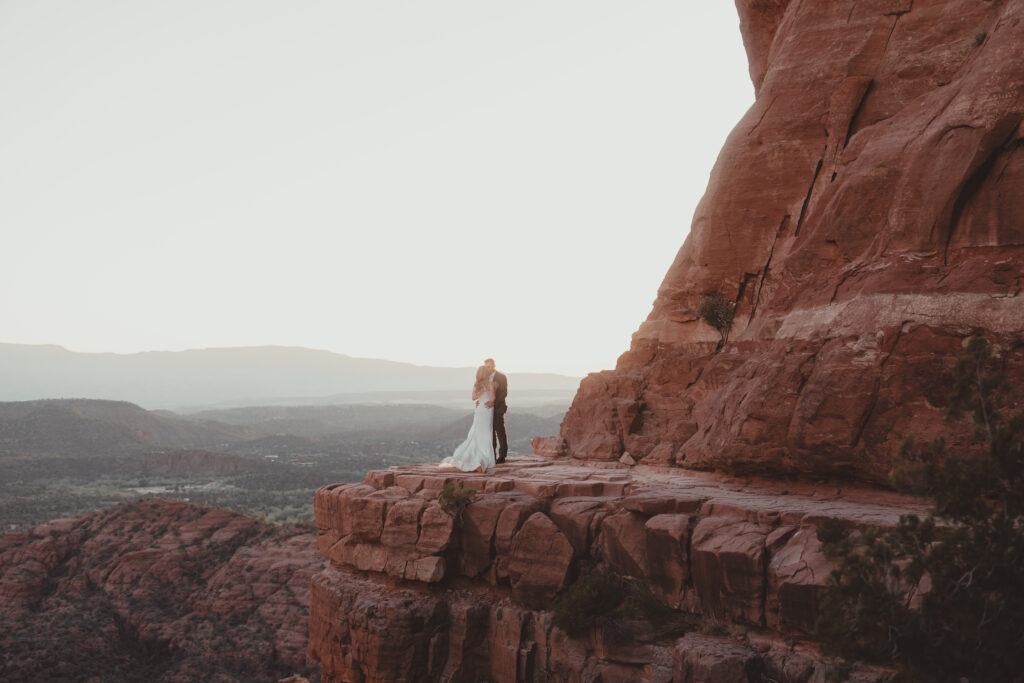
3. Destination Wedding Planning: Send Invitations Early
Give your guests plenty of time to plan for travel and accommodations. Send save-the-dates at least 9-12 months in advance and formal invitations 6 months prior. Include key details like:
- Travel options and airport information.
- Accommodation recommendations or group rates.
- Itinerary for wedding events and activities.
Consider creating a wedding website where guests can find all the information in one place.
4. Destination Wedding Planning: Pack Smartly for Your Destination
Preparing for a destination wedding involves strategic packing to ensure nothing is left behind. Here are the essentials:
- Wedding Attire: Pack your dress, suit, and accessories in carry-on luggage to avoid lost baggage disasters.
- Travel Documents: Bring your passport, marriage license, and any necessary permits.
- Weather-Specific Items: Include sunscreen, bug spray, and comfortable shoes for outdoor venues.
- Emergency Kit: Pack a sewing kit, stain remover, and backup cosmetics.
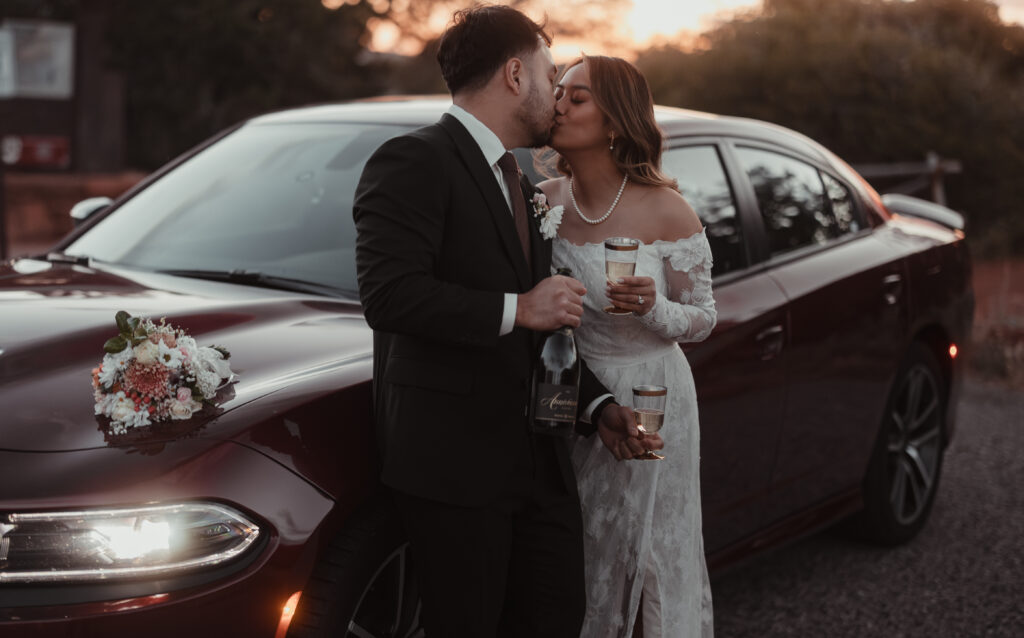
5. Destination Wedding Planning: Consider Guest Experience
Effective destination wedding planning ensures a stress-free experience for you and your guests. Your guests are traveling to celebrate with you, so make their experience memorable:
- Welcome Bags: Include local goodies, maps, and a thank-you note.
- Group Activities: Organize optional excursions or welcome dinners to help guests connect.
- Transportation: Arrange shuttles or transportation to and from the venue.
6. Destination Wedding Planning: Plan for Unexpected Challenges
Flexibility is key when planning a destination wedding. Prepare for the unexpected by:
- Having a backup plan for outdoor ceremonies in case of bad weather.
- Confirming vendor bookings and arrival times.
- Purchasing wedding insurance to protect against cancellations or unforeseen issues.
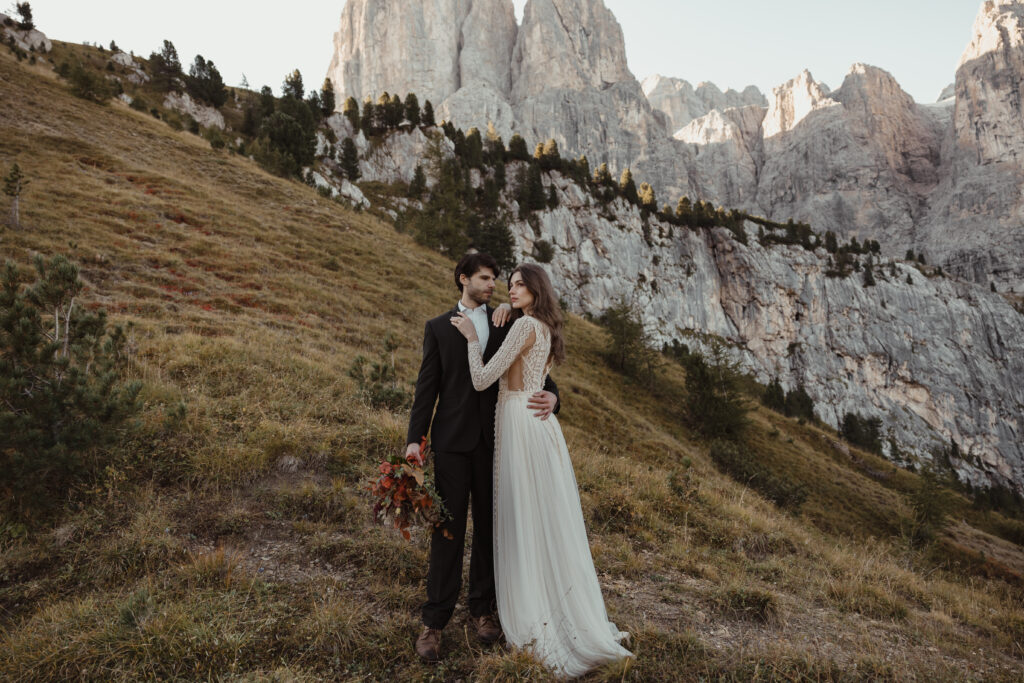
7. Destination Wedding Planning: Hiring the Right Photographer
Destination weddings create unforgettable memories, so hiring an experienced photographer is a must. Look for someone familiar with the location and capable of capturing the beauty of the setting and the emotions of the day. Discuss:
- A timeline for photos to ensure key moments are covered.
- Scouting the location together to find the best backdrops.
- Communicate your vision clearly and provide examples of what you want.
Final Thoughts
Preparing for a destination wedding takes extra effort, but it’s worth it to celebrate your love in a stunning location with your closest friends and family. By staying organized, working with local experts, and focusing on what matters most, you’ll create a magical experience that you and your guests will cherish forever.
Places we will discount for 2025!
Do you retouch images and remove blemishes?
Yes, we retouch all images, removing any temporary blemishes to ensure you look your best in every photo.
How far in advance should we book your services?
We’re not experienced in front of the camera; how do you handle posing couples?
We use a natural, prompt-based approach to posing, ensuring you feel comfortable and authentic, resulting in candid and genuine moments.
How do you approach photographing at venues you haven’t previously worked at?
We find inspiration in new locations and always scout the area beforehand to identify the best spots based on lighting, color, and storytelling elements.
Can we provide a specific list of shots we’d like captured?
Do we have rights to the images, and are we obligated to order prints through you?
We provide print rights to all our clients, allowing you to print your photos anywhere you choose. Additionally, our print shop offers discounts if you prefer to order through us.
Is it possible to have a videographer alongside your photography services?
Certainly! Collaborating with videographers enhances the documentation of your special day, and I work seamlessly with them to ensure all your moments are beautifully captured. That’s a service we offer as well!
Can we view full wedding galleries from your previous work?
Absolutely! You can explore complete galleries of our work here: https://kollarphotography.com/scottsdale-arizona-wedding-gallery
How long have you been photographing weddings, and how many have you covered?
We’ve been specializing in weddings and destination elopements since 2021, capturing numerous ceremonies that reflect each couple’s unique love story.
Will you be the one photographing our wedding? What if you’re unavailable due to unforeseen circumstances?
Yes, we personally photograph each wedding. In the rare event we’re unavailable, we have associate photographers with a similar style who can step in, ensuring consistency in your wedding photos.
How would you describe your photography style?
We aim for a natural and true-to-life aesthetic with an editorial twist, capturing moments that tell a compelling story.
If you’re ready to plan your dream destination wedding, contact us today. We’d love to help capture every moment of your special day!